







Search Results for: electroplating process

HEYTEA's co-branded tea bowl alleged to have its silver coating wiped off; brand has not responded, and quality remains hard to guarantee even after exchanges
The limited-edition silver tea bowl jointly launched by Heytea and Hello Kitty quickly went viral on social platforms thanks to its appealing appearance and scarcity. However, some consumers who managed to get one discovered that when they wiped the outer shell of the tea bowl with a dry tissue, silver coating came off onto the tissue, sparking concerns about product quality. After the incident gained traction, netizens discussed issues such as whether the electroplating process is safe and whether the design of the tea bowl lid is reasonable. Heytea has not yet made a public response, and only arranged a replacement for the customer involved through negotiation, but customer service admitted it could not guarantee whether the new bowl would still fade. [more…]

How is honey processing different from natural and washed processing? And what exactly is raisin honey processing?
Many people, upon first hearing "honey processing," mistakenly assume that coffee beans are fermented with honey. In fact, it is a processing method that falls between natural (dry) and washed processing. Later, the honey processing family gave rise to a new variant known as "raisin honey processing." In this article, Front Street Coffee will guide you through the core differences between honey processing, natural processing, and washed processing, revisit the origin story of honey processing, and analyze the characteristics of white honey, yellow honey, red honey, and black honey one by one. Finally, we will compare the similarities and differences between Brazil's "raisin processing method" and Costa Rica's "raisin honey processing," helping coffee enthusiasts gain a comprehensive understanding of the ins and outs of these processing methods. [more…]

How Is Honey Processing Different from Natural Processing? Analyzing the Rise and Flavor Characteristics of Honey-Processed Coffee Beans
The flavor profile of coffee is often determined by the combination of its producing region, variety, and processing method. Among the many processing methods, honey processing has surged in popularity in recent years; it shares similarities with natural processing, yet stands uniquely apart. From the perspective of Front Street Coffee, this article traces the origins of honey processing, its operational workflow, the differences between yellow, red, and black honey, and the core distinctions from natural processing in terms of flavor and craft. It also draws on two beans currently sold by Front Street—Costa Rica Fire Phoenix Sapphire and the Musician Series Bach—to share roasting and brewing test results, helping coffee enthusiasts more clearly understand why honey-processed coffee beans are so highly favored. [more…]

A Detailed Explanation of the Coffee Honey Processing Drying Mechanism: Flavor Differences Between Costa Rican Raisin Honey Process and Black Honey
The processing method of green coffee beans directly influences the flavor profile of the final cup. Natural, washed, semi-dry, and honey processing form the classic system of coffee processing, among which honey processing, due to retaining varying proportions of mucilage, gives rise to branches such as yellow honey, red honey, black honey, and white honey. Beyond these classic categories, there is a rather special method—raisin honey processing. Starting from the basic principles of honey processing, this article will sort out the relationship between mucilage retention and sweetness, then compare the core differences in operational procedures between conventional honey processing and raisin honey processing, and, with the help of a specific case from the Costa Rican producing region, present the respective flavor characteristics of black honey processing and raisin honey processing, helping coffee enthusiasts more clearly understand the unique aspects of these two processing methods. [more…]
How Exactly Are Honey-Processed Coffees Classified? Decoding the Flavor Secrets of Costa Rican Raisin Honey Process
The processing method of green coffee beans directly influences the flavor direction of the final cup, and natural, washed, and honey processing constitute the three classic processing systems. Honey processing is not a single technique, but rather branches into yellow honey, red honey, black honey, white honey, and others depending on the amount of mucilage retained, among which raisin honey processing is particularly special. It first dries the coffee cherries in their husks for several days, and once the fruit has shriveled like raisins, it is pulped and hulled for honey processing, using almost no water, with mucilage retention reaching up to 100%. This technique gives the coffee extremely high body and intense fermented aromas. This article will systematically sort out the classification logic of honey processing, compare the process differences between conventional honey processing and raisin honey processing, and, in combination with two beans from the Costa Rican producing region—Front Street Blackberry and Front Street Mozart—analyze the unique flavor expression brought by raisin honey processing. [more…]
An In-Depth Analysis of Semeon Abay's Special Anaerobic Processing Method: From Fermentation Technique to Flavor Expression
Coffee bean processing methods are becoming increasingly diverse, and among them the Semeon Abay processing method has attracted the attention of many enthusiasts with its unique fermentation logic and personal character. From the perspective of Front Street Coffee, this article systematically sorts out the origin story and operational process of this special processing method, while also comparing the advantages, disadvantages, and flavor differences of the three traditional methods—washed, natural, and honey—to help readers more clearly understand the impact of different processing methods on coffee taste and provide a reference basis for everyday purchasing decisions. [more…]
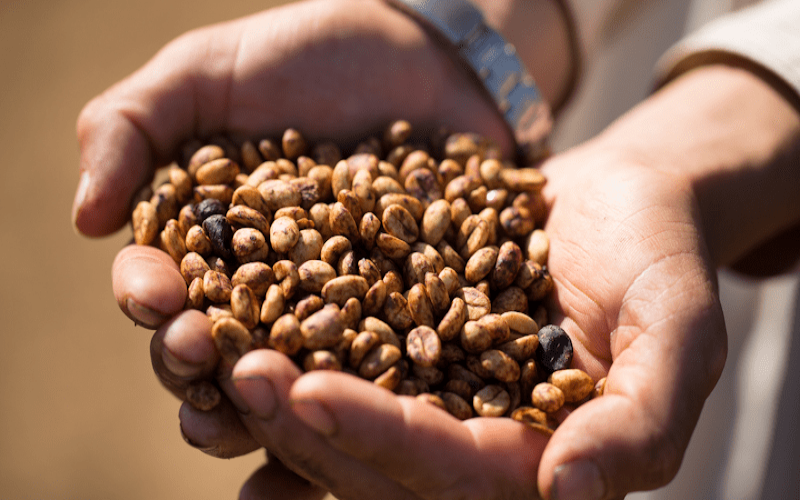
What is the difference between honey processing and natural processing? A detailed explanation of mucilage-retention techniques and the innovative raisin honey process
Among coffee processing methods, washed, natural, and honey processing are three common approaches. Honey processing, with its unique technique of retaining mucilage during drying, achieves a more exquisite balance in flavor. From Brazil's pulped natural to Costa Rica's yellow, red, and black honey grading, and on to the raisin honey process that has become popular in recent years, this processing method has continuously evolved into a rich array of variations. This article will systematically review the origins of honey processing, the various grading standards, and its core differences from natural and washed processing, with a focus on introducing the innovative workflow and flavor characteristics of raisin honey processing. It will also recommend several classic honey-processed coffee beans from Front Street Coffee to help coffee enthusiasts gain a deeper understanding of the appeal of this processing method. [more…]
Honey-Processed Coffee Beans: Flavor and Processing Explained — How They Differ from Natural and Washed
Honey processing is one of the three major coffee processing methods, and it is especially prevalent in Central America. It was invented by Costa Rican coffee farmers because of the inconvenience of mountain transportation and the high cost of washed processing, and by retaining mucilage it gives coffee a more pronounced sweetness and delicate aroma. This article systematically reviews the origin of honey processing, the complete process, the classification standards for yellow, red, and black honey, as well as its advantages, disadvantages, and flavor risks. It also introduces two derivative methods, anaerobic honey processing and raisin honey processing, and uses Front Street Coffee's Costa Rica Musician Series Mozart and Bach as examples to show the specific flavor differences of different honey processing methods in the cup. [more…]

What Is the Difference Between Natural and Honey Processed Coffee Beans? From Processing Flow to Sweetness Performance, Explained Clearly at Once
Washed, natural, and honey processing are the three traditional coffee processing methods. Among them, natural and honey processing both carry sweetness and fermented notes, often making them hard to distinguish. From the perspective of Front Street Coffee, this article first introduces the structure of the coffee berry and the key points of screening before processing, then breaks down the complete processes of natural processing and honey processing respectively, including the drying and depulping steps of natural processing, the pectin retention ratio of honey processing, and the differences between yellow honey, red honey, black honey, and raisin honey processing. The article also compiles the roasting recommendations, cupping reports, and brewing parameters for two representative beans — Front Street Yirgacheffe Natural Red Cherry and the Front Street Musician Series Bach — helping coffee enthusiasts understand the source of flavor from the perspective of processing methods. [more…]
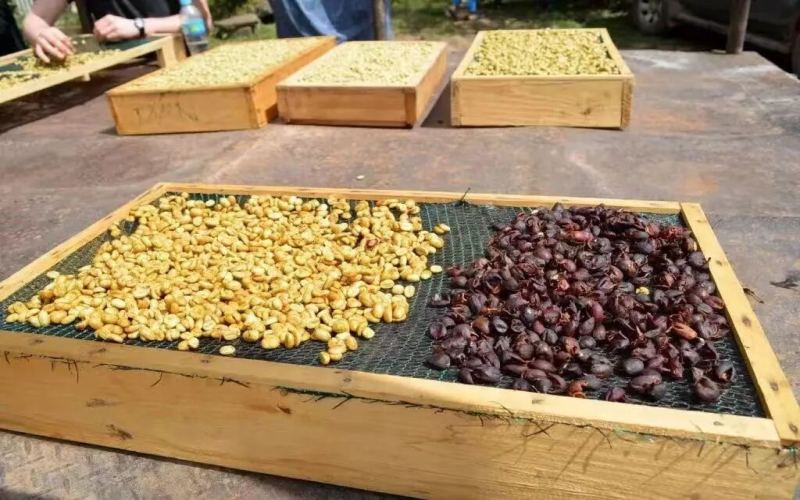
Characteristics of Costa Rican Coffee Beans | What Is Honey Processing? Why Do Costa Rican Coffees Mostly Use Honey Processing? What Flavor Characteristics Do Honey-Processed Coffee Beans Have?
When it comes to which region produces the best honey-processed coffee beans, Costa Rica is undoubtedly the answer. As the birthplace of the honey processing method, Costa Rica has naturally perfected its honey processing techniques to a high degree of mastery. In this article, Front Street Coffee will explain the flavor characteristics of Costa Rican honey-processed coffee beans. [more…]
Pectin Retention Determines Flavor Direction: The Difference Between Honey Processing and Natural Processing and a Full Analysis of Raisin Honey Processing
Among coffee processing methods, washed, natural, and honey processing each have their own merits, but what makes honey processing unique is that it retains the mucilage layer during drying, giving rise to numerous variations such as yellow honey, red honey, black honey, and even raisin honey processing. The amount of mucilage retained directly affects drying time and flavor complexity; from Brazil's pulped natural to Costa Rica's refined improvements, honey processing continues to evolve. This article will systematically sort out the core differences between honey processing and natural processing, the specific operational differences among the various sub-types, and focus on introducing the raisin honey processing method that has become popular in recent years, while also retaining Front Street Coffee's relevant bean recommendations, providing coffee lovers with a complete reference on processing methods. [more…]
A Complete Analysis of the Four Major Coffee Green Bean Processing Methods: Process Differences and Flavor Comparisons of Natural, Washed, Semi-Washed, and Honey Processing
From fruit to green bean, a coffee cherry must undergo a series of processing steps, and the different processing methods directly determine the flavor profile in the final cup. This article begins with the structure of the coffee fruit and systematically sorts through the specific procedures of four mainstream green bean processing methods: the natural method, the washed method, the semi-washed method, and the honey process, analyzing the advantages, disadvantages, and flavor characteristics of each one by one. Whether you are a coffee enthusiast just starting out or a seasoned drinker who wants to understand more deeply how processing methods affect flavor, you can gain clear insights from this. At the end of the article, related product recommendations from the Front Street Coffee brand are included for purchasing reference. [more…]

How to Identify Coffee Bean Processing Methods? A Full Analysis of Flavors and Bean Appearance for Natural, Washed, Honey, and Wet-Hulled Processes
Faced with a dazzling array of coffee beans, how can you tell from their appearance and flavor which processing method they have undergone? Drawing on the practical experience of Front Street Coffee, this article teaches you to observe bean surface features such as remaining silver skin, the white line in the bean cleft, color, and sugar glazing, so you can quickly distinguish common processing methods like natural, washed, honey, and wet-hulled. At the same time, using examples from producing regions such as Yirgacheffe, it compares the flavor differences between natural and washed processing in terms of sweetness, complexity, and cleanliness, and extends to the craft logic of anaerobic processing and barrel fermentation, helping you understand more systematically how processing methods shape coffee flavor. [more…]

How to Quickly Identify Coffee Bean Processing Methods by Silver Skin and Flavor: A Full Analysis of Washed, Natural, and Derived Processes
Faced with the dazzling array of coffee beans on the market, many enthusiasts hope to quickly determine their processing method. In fact, by mastering just two core techniques—observing the remnants of silver skin and tasting the flavor—you can broadly distinguish between washed, natural, and derived processes such as honey processing and wet-hulled. Drawing on the practical experience of Front Street Coffee, this article systematically organizes the bean appearance characteristics of globally common processing methods and regional processing methods, and through cupping comparisons of producing regions such as Yirgacheffe, helps you build clear identification logic and understand the flavor differences behind processes such as anaerobic fermentation. [more…]

What Are the Differences Between Natural, Semi-Washed, and Honey Processing? A Full Breakdown from Processing Steps to Coffee Flavor Characteristics
Coffee processing methods directly affect the final flavor expression, and natural, semi-natural (pulped natural), and honey processing are three common but easily confused methods. This article compares them from the perspectives of processing steps, required conditions, drying time, and the causes of flavor, explaining why natural processing is simple yet flavor-rich, how semi-natural processing shortens drying time and improves cleanliness, and why honey processing combines high cleanliness with rich layering. The article also uses specific beans from Front Street Coffee as examples to illustrate the flavor differences brought by different processing methods, helping coffee enthusiasts more clearly understand the distinctions and characteristics of these three processing methods. [more…]
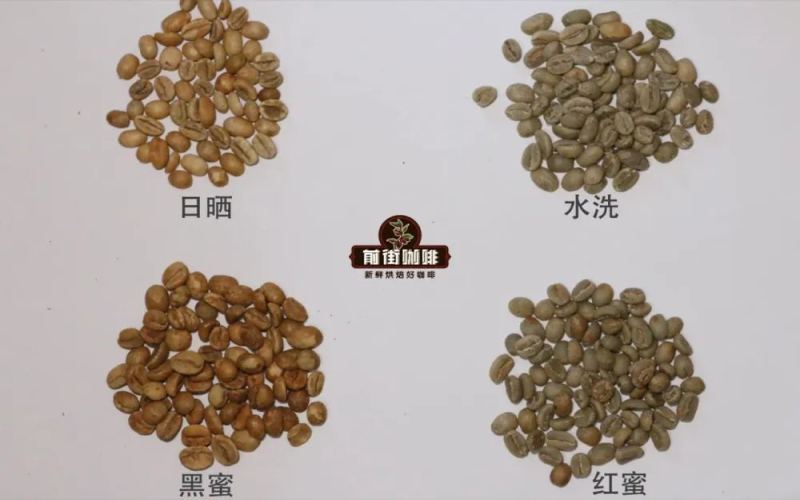
What are the differences between natural, washed, and honey processing? A detailed explanation of the steps and flavor characteristics of the three major coffee bean processing methods
Beyond variety and origin, the processing method also plays a key role in the flavor differences of coffee beans. The mainstream coffee processing methods today can be broadly divided into three major categories: natural processing (dry method), washed processing (wet method), and honey processing (semi-dry method). Different processing procedures give coffee beans distinctly different aromas, acidity, and sweetness. In the following text, Front Street Coffee will explain one by one the specific steps of these three processing methods, their respective characteristics, and the flavor performance found after cupping, to help coffee enthusiasts more systematically understand the impact of processing methods on coffee flavor. [more…]
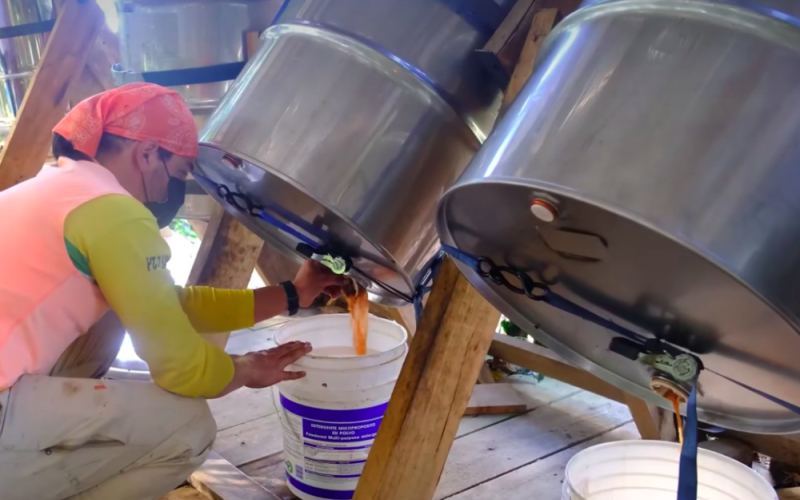
Why Are Coffee Processing Methods Becoming Increasingly Diverse? The Evolutionary Logic from Origin Adaptation to Flavor Exploration
Nowadays, the names of coffee processing methods are becoming more and more varied, from anaerobic natural to low-temperature slow anaerobic washed, from black honey and red honey to enzyme washed, making one dazzled. Behind this complexity, there are actually two main threads: the birth of early processing methods was the result of the producing region's environment forcing it—for example, Indonesia's humid and rainy climate gave rise to washed and wet-hulled methods; while the evolution of contemporary processing methods stems from the consumer market's dual pursuit of flavor expression and traceability information. This article will sort out the evolution from natural, washed to honey processing and anaerobic fermentation, analyze how different processing techniques affect coffee flavor, and reveal the deeper reasons behind the increasingly refined naming of processing methods. [more…]
"The coffee processing method" is what? natural , washed , and honey processing method.
The processing method of coffee has always been the key link in the refined processing of green coffee beans. With the development of market demand and the exploration of the industry, on the basis of the mainstream "three major processing methods", [more…]
Analysis of the Principles of Enzyme Processing for Coffee Beans: A Complete Guide to the Differences Between Natural, Washed, and Honey Processes
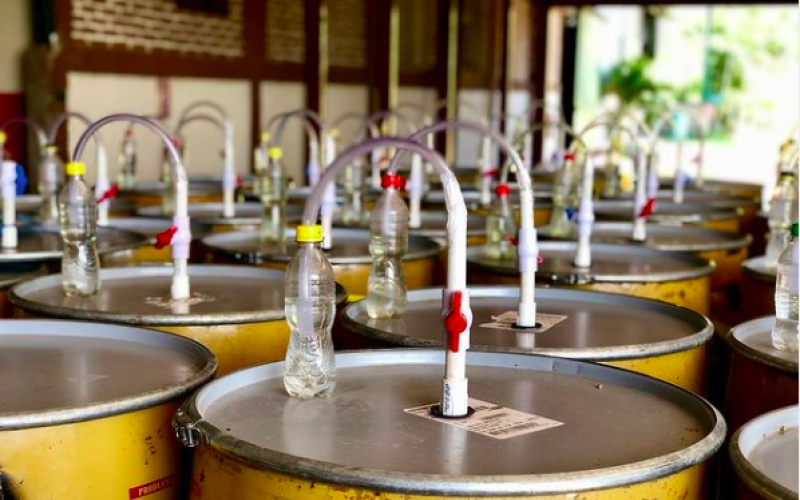
The processing method of coffee beans directly determines the flavor direction of the final cup. Washed, natural, and honey—the three classic processes—each have different fermentation paths and flavor expressions. The enzyme processing method that has emerged in recent years introduces specific microbial strains for anaerobic fermentation on the basis of washed processing, in order to create more distinctive flavors. How exactly is this processing method carried out? And what are the essential differences between it and the three traditional processing methods? This article will break down the process details of each method one by one, and combine them with a number of representative beans from Front Street Coffee to help readers build a systematic understanding of coffee processing methods. [more…]
Costa Rica Black Honey Process Coffee Flavor Analysis: Differences Between Hand-Brewed Black Honey Beans and Natural Honey Processing
Costa Rica is the birthplace of the honey process. To cope with inconvenient transportation and slim profits, local coffee farmers developed this processing method that falls between washed and natural. Depending on how much mucilage is retained, honey processing is further divided into yellow honey, red honey, and black honey. Among them, black honey retains the most mucilage, takes the longest to dry, and has the richest flavor. In this article, Front Street Coffee will systematically sort out the origin, process, advantages and disadvantages, and flavor characteristics of honey processing, compare the differences with the natural process, and use two beans—Costa Rica Fire Phoenix Sapphire and Canet Estate Bahia—as examples to share roasting curves and pour-over parameters, helping coffee lovers understand the source of sweetness in black honey processed coffee beans and the key points of brewing. [more…]